Daily E-Commerce Activity Slows
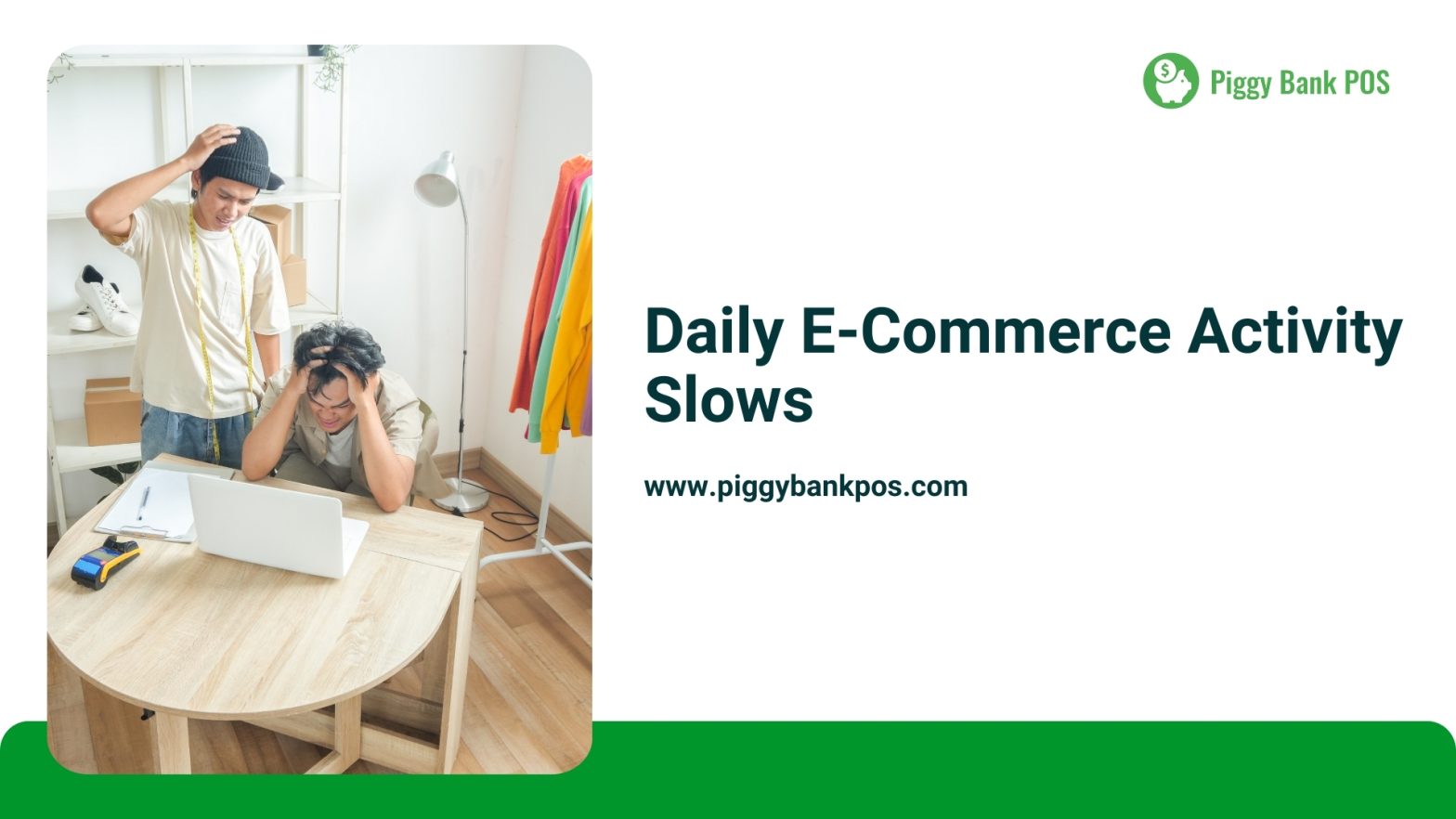
After years of rapid digital growth, new trends suggest that fewer consumers are shopping online on a daily basis. While e-commerce remains a powerful force in retail, buying behavior is beginning to normalize. Instead of frequent daily purchases, shoppers are becoming more intentional, selective, and value-focused in how and when they spend online.
So what’s driving this shift and what does it mean for retailers?
1. Post-Pandemic Behavior Is Stabilizing
During the pandemic, online shopping became a necessity. Consumers ordered groceries, household goods, clothing, and electronics frequently. Now, with stores fully open and routines restored, online shopping habits are becoming more balanced. Many shoppers are returning to in-store experiences for certain categories.
What this means: Online shopping remains strong, but daily purchasing is no longer the default behavior.
2. Consumers Are More Price-Conscious
Rising costs and economic uncertainty have made consumers more cautious. Instead of impulse buying, shoppers are comparing prices, waiting for promotions, and consolidating purchases. This naturally reduces the frequency of daily online transactions.
What this means: Retailers must focus on value, transparency, and strategic promotions.
3. Shopping Fatigue and Digital Overload
Constant online promotions, ads, and notifications can lead to digital fatigue. Consumers are becoming more selective about when they shop and which brands they engage with. Rather than browsing daily, many shoppers now purchase with a clear purpose.
What this means: Relevance matters more than volume in digital marketing.
4. In-Store Experiences Are Regaining Appeal
Physical retail offers immediacy, product interaction, and human service elements that online shopping cannot fully replicate. As consumers seek experiences beyond convenience, brick-and-mortar stores are regaining attention.
What this means: Retail success increasingly depends on balancing both online and in-store channels.
5. Strategic Purchasing Over Frequent Buying
Subscription models, bulk buying, and planned shopping cycles are reducing daily transaction frequency. Consumers are organizing purchases more efficiently, which decreases spontaneous daily checkouts.
What this means: Retailers must understand buying cycles and adjust inventory and marketing strategies accordingly.
Final Thoughts
The decline in daily online shopping doesn’t signal the end of e-commerce, it signals maturity. Consumers are becoming more deliberate, value-driven, and experience-focused. Retailers who adapt to these changes by strengthening both digital and in-store operations will stay competitive.
To support evolving retail strategies, Piggy Bank POS offers an intuitive point-of-sale system designed to help manage sales tracking, inventory, and customer engagement efficiently.
Learn more at www.piggybankpos.com and optimize your retail operations for today’s changing consumer behavior.
#RetailTrends #EcommerceShift #ConsumerBehavior #RetailStrategy #OmnichannelRetail #POSSystem #PiggyBankPOS #RetailInsights
Releted Posts

How Piggy Bank POS Enhances Customer Engagement for Small Businesses
In today’s market, strong customer relationships are key to lasting success. Piggy Bank POS empowers small businesses to connect with their customers through tools that drive loyalty and encourage repeat business. From CRM features to
Invoicing and Quotes in Retail: Types, Challenges, & Benefits
In the fast-paced world of retail, invoicing and quotes are more than just paperwork — they’re crucial elements for maintaining smooth operations, ensuring cash flow, and building strong customer relationships. Understanding how they work, the